Breast Biopsy
What is a breast biopsy?
A breast biopsy is a diagnostic procedure in which a tissue sample is obtained from a suspicious lesion for the purpose of histological examination.
It is the only method that can definitively confirm whether a lesion is benign or malignant.
A recommendation for biopsy does not mean a cancer diagnosis. It means that histological confirmation is required.
When is a biopsy needed?
A biopsy is indicated when:
- there is a suspicious imaging finding (BI-RADS 4 or 5),
- there is discordance between clinical examination and imaging,
- an increase in size of a known lesion is observed,
- there is a persistent palpable nodule without clearly benign characteristics.
The decision is based on a combination of clinical and imaging data. Many biopsies are prompted by findings picked up during routine breast screening, and it is worth remembering that the great majority of these findings prove to be benign conditions.
Types of Breast Biopsy
Core Needle Biopsy (CNB)
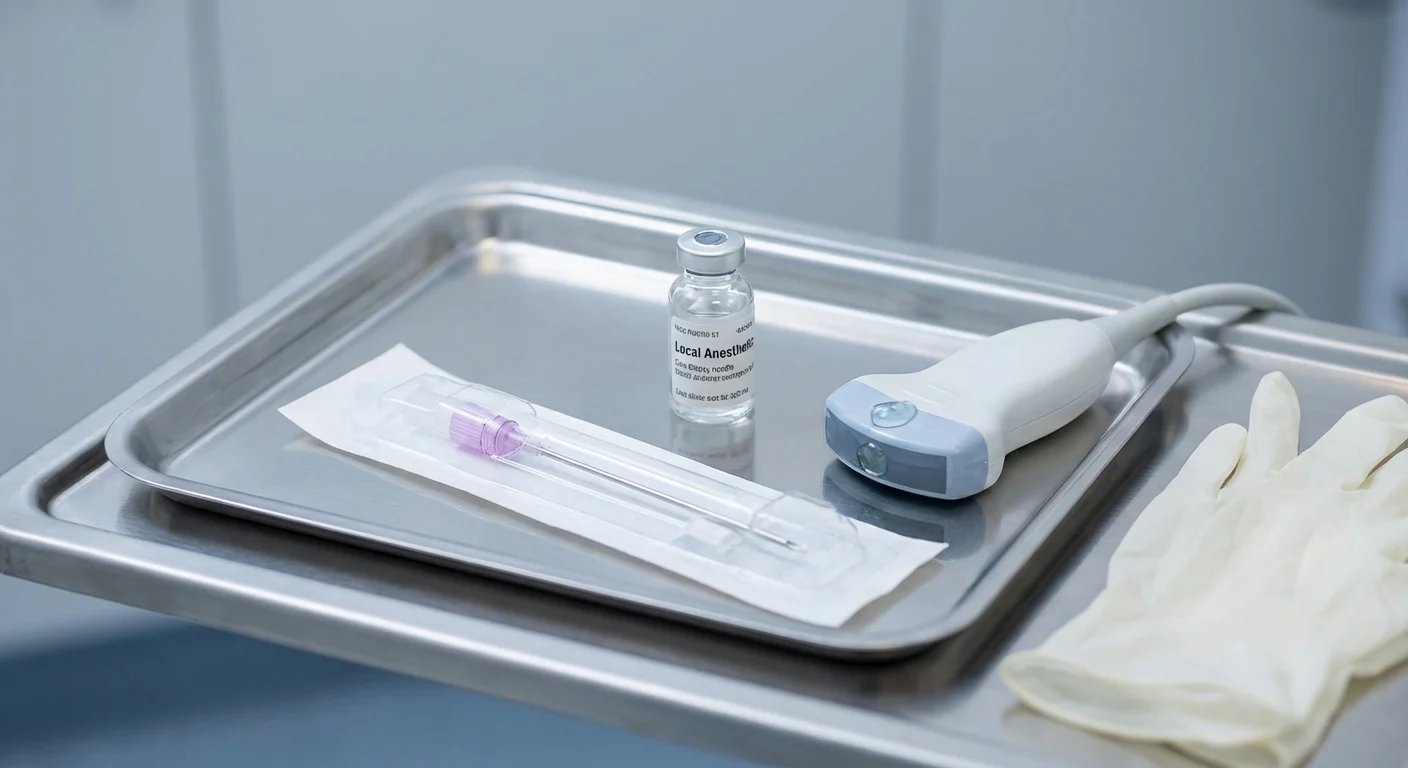
This is the most commonly used method. It is performed under local anesthesia, with ultrasound or mammographic guidance. Multiple cylindrical tissue samples are obtained. Advantages: high diagnostic accuracy, minimally invasive, does not require general anesthesia.
Vacuum-Assisted Biopsy (VAB)
This is used when the lesion is small, involves microcalcifications, or a larger tissue sample is required. It provides a larger specimen and in some cases can completely remove small benign lesions.
Fine Needle Aspiration (FNA)
This is primarily used for cysts and lymph nodes. It is not the method of choice for diagnosing breast cancer due to limited histological information.
Surgical (Excisional) Biopsy
In a minority of cases – for example when a needle biopsy result is inconclusive or discordant with imaging – the whole lesion may be removed in the operating room for examination. This is performed under anesthesia and is essentially a small operation. It is no longer the routine first step, because needle techniques now provide a diagnosis in most situations without surgery.
Is the biopsy painful?
The procedure is performed under local anesthesia. The patient typically feels mild pressure and slight discomfort during the administration of the anesthetic. The total duration is approximately 15-30 minutes.
After the biopsy, mild pain, a small hematoma, or localized tenderness may occur. Serious complications are rare.
How reliable is it?
Core needle biopsy has high diagnostic accuracy when there is a correct indication, adequate tissue sampling, and concordance with imaging findings.
Diagnostic evaluation is based on triple assessment: clinical presentation, imaging, and histological result. In cases of discordance, re-evaluation may be required.
What information does the biopsy provide?
In cases of malignancy, histological examination determines: the histological type, the grade of differentiation, hormone receptor expression (ER/PR), HER2 expression, and the proliferation index (Ki-67).
This information is essential for treatment planning.
How to read your pathology report
A pathology report can look intimidating, but each line has a clear purpose, and we go through it with you together. The histological type tells us what kind of cells are involved and whether a process is in situ (confined) or invasive. The grade describes how different the cells look from normal tissue, which gives a sense of how the lesion is likely to behave. The receptor results – ER, PR, and HER2 – and the Ki-67 index reveal the biology of the tumor and are the very factors that determine which adjuvant therapies may be beneficial.
You do not need to memorize these terms or interpret them alone. The role of your surgeon is to translate the report into plain language, explain what it means for you specifically, and outline the options clearly so that the next steps feel understandable rather than overwhelming.
After the biopsy
The patient can return to daily activities immediately, avoiding strenuous exercise for 24 hours.
The result is usually available within a few days. Communication of the findings takes place during a scheduled medical appointment, with a thorough review of the results and discussion of the next steps.
Important message
A biopsy is a diagnostic tool – not a therapeutic procedure.
In the majority of cases, the result is benign. Even when malignancy is confirmed, the biopsy represents the first step toward targeted and effective treatment.
Knowledge of the histological type enables precise, personalized treatment planning.
For reliable, independent information on breast biopsy and diagnosis, you may consult the National Cancer Institute’s breast cancer resources.
Frequently Asked Questions
Does a biopsy mean I have cancer?
No. A biopsy is recommended whenever a finding needs to be clarified with certainty, and in the majority of cases the result turns out to be benign. The procedure is simply the most reliable way to answer the question rather than leaving it open. Try to think of it as a step toward an answer, not as a diagnosis in itself.
Which type of biopsy will I have?
The method is chosen to fit your specific finding. Core needle biopsy under ultrasound guidance is the most common approach, while vacuum-assisted biopsy is preferred for very small lesions or microcalcifications. Fine needle aspiration is reserved mainly for cysts and lymph nodes. Your surgeon will explain why a particular technique suits your case.
How long until I get the results?
Histology results are usually available within a few days, though some specialized tests on the tissue can take a little longer. We arrange a dedicated appointment to go through the report with you in full. Waiting can be the hardest part, and we aim to keep that period as short and as clearly communicated as possible.
Will the biopsy leave a scar or affect the shape of my breast?
Needle biopsies are performed through a tiny entry point and very rarely leave any visible mark. There may be temporary bruising or tenderness that settles within days. Even larger surgical biopsies are planned with careful attention to cosmetic outcome.